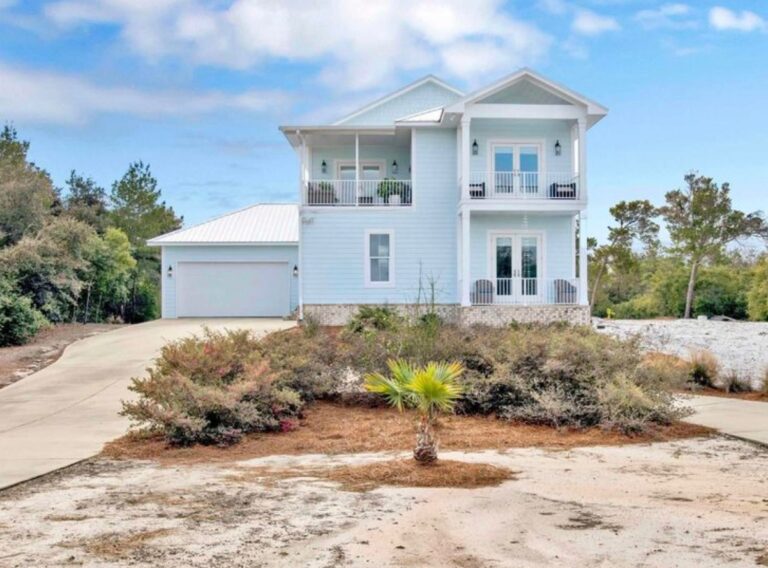
Building a home along the Gulf Coast offers undeniable rewards. White sand beaches, water views, and a relaxed coastal lifestyle draw homeowners from near and far. However, coastal construction comes with an added layer of responsibility and complexity. Strict building codes and flood zone regulations are in place to protect homeowners, communities, and investments from the unique challenges posed by coastal weather and geography. Understanding these requirements is essential for anyone planning to build along the Gulf Coast, particularly in areas like Gulf Shores and Orange Beach.
Why Coastal Building Codes Exist
Building codes along the Gulf Coast are designed with one primary goal in mind: resilience. Hurricanes, tropical storms, storm surge, high winds, and flooding are all realities of coastal living. Over time, lessons learned from past storms have shaped stricter standards to help structures withstand extreme conditions and recover more quickly after severe weather events.
These codes regulate everything from foundation elevation and wind resistance to roofing systems and fastening methods. While they may seem restrictive at first glance, they play a vital role in safeguarding homes and minimizing long-term repair costs. A properly built coastal home is not just safer for its occupants, but also more durable and insurable.
Understanding Flood Zones
Flood zones are designated by the Federal Emergency Management Agency and indicate the likelihood of flooding in specific areas. Along the Gulf Coast, many properties fall within higher-risk flood zones due to their proximity to waterways, bays, and the Gulf itself. These zones directly impact how a home must be designed and constructed.
Homes located in higher-risk flood zones typically require elevated foundations to reduce the risk of flood damage. The base flood elevation determines how high the lowest structural components must be built above anticipated flood levels. These requirements are not optional and play a critical role in flood insurance eligibility and pricing.
Understanding flood zones early in the planning process helps avoid costly redesigns or delays later. It also ensures that the home complies with local regulations while maintaining long-term value and safety.
Elevation Requirements and Foundation Design
One of the most visible impacts of flood zone regulations is elevation. Along the Gulf Coast, elevated homes are common and necessary. Elevation protects the living space from floodwaters while allowing water to flow underneath the structure during storm surge events.
Proper foundation design goes beyond simply lifting the home off the ground. Engineers and builders must account for soil conditions, load requirements, and lateral forces from wind and water. At G&M Construction, elevation and foundation planning are approached with precision to ensure structural integrity without sacrificing design or livability.
Wind Load and Structural Reinforcement
Coastal building codes also place a strong emphasis on wind resistance. High winds from hurricanes and tropical storms can exert immense pressure on a home’s structure. As a result, Gulf Coast homes must meet stringent wind load requirements.
These requirements influence everything from framing methods and roof design to window systems and fastening techniques. Reinforced connections between the foundation, walls, and roof create a continuous load path that helps keep the structure intact during extreme wind events.
By adhering to these standards, coastal homes are better equipped to withstand storms while reducing the likelihood of catastrophic damage.
Roofing and Exterior Requirements
Roofing systems are another major focus of coastal building codes. Fortified roofing standards, impact-resistant materials, and specific installation methods are often required in coastal areas. These measures help prevent roof failure, which is one of the most common and costly forms of storm damage.
Exterior materials must also be chosen carefully. Salt air, humidity, and wind-driven rain can accelerate wear and corrosion. Coastal codes often require materials that resist moisture intrusion and long-term degradation. Choosing the right exterior finishes not only ensures compliance but also reduces maintenance over time.
Navigating Local Regulations and Permitting
In addition to state and federal requirements, local municipalities often have their own building codes and zoning regulations. These can include setback requirements, height restrictions, and design guidelines intended to preserve community character and environmental balance.
Navigating these layers of regulation can be overwhelming for homeowners unfamiliar with coastal construction. Permitting delays, plan revisions, and inspection requirements can all impact project timelines if not handled correctly. Working with an experienced coastal builder ensures that these processes are managed efficiently and accurately from the start.
How Flood Zones Affect Insurance and Long-Term Costs
Flood zones play a significant role in determining flood insurance requirements and premiums. Homes built to or above required elevations often qualify for lower insurance costs, while non-compliant structures can face significantly higher premiums or limited coverage options.
Building correctly from the beginning is an investment in long-term savings. A home that meets or exceeds flood and wind requirements is typically easier to insure, more attractive to future buyers, and better positioned to retain value over time.
The Importance of Experience in Coastal Construction
Understanding building codes and flood zones is not something that can be learned overnight. Coastal construction requires experience, local knowledge, and a deep understanding of how regulations intersect with real-world conditions. Builders must anticipate challenges before they arise and design solutions that balance compliance, durability, and aesthetics.
At G&M Construction, years of experience building along the Gulf Coast allow us to guide clients through every step of the process. From lot evaluation and elevation planning to final inspections, we ensure that each home meets all regulatory requirements while delivering comfort, style, and peace of mind.
Building with Confidence Along the Gulf Coast
Building a home along the Gulf Coast is a rewarding experience when approached with the right knowledge and team. Understanding building codes and flood zones is a critical part of that journey. These regulations exist to protect homeowners, preserve communities, and ensure that coastal homes are built to withstand the unique challenges of their environment.
By partnering with an experienced coastal builder, homeowners can navigate regulations confidently, avoid costly mistakes, and create homes designed for both beauty and resilience. At G&M Construction, we believe that informed planning and expert execution are the foundation of successful coastal living, today and for generations to come.